
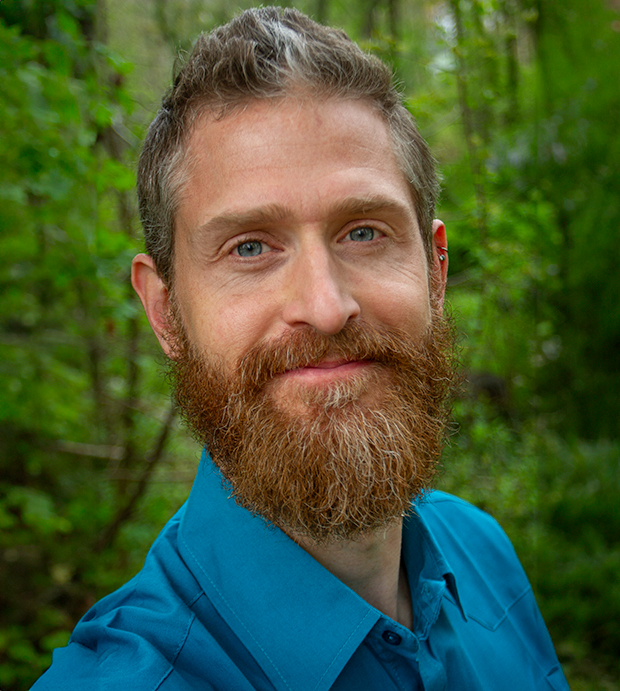
I’m Scott.
I work with adults and young adults (16+), covering a wide range of life and mental health issues. I have a special interest in working with elders who face unique experiences of retirement transitions, changes to physical and brain health, caregiving, death and loss, isolation, spirituality, and identifying meaningful choices in the face of our mortality.
I enjoy teaching a variety of skills to help people manage their distress a little better each day. I teach new and empirically validated understandings of how our minds and nervous systems work from the latest perspectives of neuroscience, psychology, and medicine. I also offer practical tools for developing a more healthy relationship with our thoughts and emotions. Further, I teach tools for reducing stress, calming the body and mind, improving sleep and eating, and enhancing connection to others and to a larger sense of purpose. Self-compassion and kindness are also at the center of my work. I have found this approach is particularly important for clients who face limited control in their lives. In these cases, the focus of therapy is often on developing effective self-care and a connection to spiritual or personal meaning.
Spirituality & Counseling
I have been practicing Buddhism and studying Buddhist psychology for many years, so clients who are looking for support from this perspective are welcome to bring these topics into our sessions. If you come from another spiritual tradition, be it Christianity, Judaism, Islam, Hinduism—or any other for that matter—I hold great regard and respect for your beliefs and want to actively discuss your values and ways of seeing the world in sessions together. Of course, if organized or personal spirituality need not be a major part of your life, I am glad to explore meaning and values that resonate for you individually.
Outside of Counseling
Outside of counseling, I am a serious nature nerd in the mountains of Western North Carolina. I still love to make things, so I continue to build furniture, draw, sculpt, and take care of my home’s vegetable and native plant garden. Community will always be important to me; hosting dinner and game nights with my partner, or getting involved in neighborhood events are a regular part of my life. I have a Corgi-Red Heeler mix, named Gizmo, who is a fantastic trail buddy and just about the sweetest being I’ve ever met.
Prior Professional Life
In my first professional life, I ran a graphic design and photography business, designed sets for a theatre and dance, and worked in community art festivals. This was deeply meaningful, fun, and engaging work for me. I helped others to connect to their creativity, form new relationships in their community, and create a sense of place and belonging. Life has a way of changing us, however. My own experiences of losing family and friends, of loving others with mental illness, and of merely living through the stresses of modern life, inspired me to change professions. Although I now serve others differently, I do so with the same close attention, creativity, interest, flexibility, and openness honed in my earlier profession.
Approach to Therapy
Acceptance & Commitment Therapy
My primary approach with clients is Acceptance and Commitment Therapy (ACT). That might not mean much to you, and that’s okay. Therapy is an alphabet soup of acronyms so here’s a brief description if it’s helpful: ACT is an evidence-based psychotherapy approach helps you to develop greater awareness of your thoughts, feelings, sensations, and actions. A variety of exercises, metaphors, and basic psycho-education helps to you expand and maintain this awareness. ACT also helps you to identify your values and the aspects of your life that you control and those you do not. Enhancing your awareness, attuning to your mind and body, and connecting to your values can serve you tremendously. These factors help you to make decision, commit to your choices and and follow through with them with greater clarity and resolve. These factors also help you move through life difficulties that you do not control with greater acceptance and ease.
Cognitive Behavioral Therapy
For those clients who may not fit well with ACT, I am also happy to pivot toward Cognitive Behavioral Therapy (CBT). This evidence-based approach can help you to identify and challenge common thought patterns that all humans fall into and that regularly cause us distress. CBT also helps you to identify behavior patterns or habits that contribute to your distress, and help to identify and establish new behaviors that may provide you long-run emotional relief. For clients who like structure, psychoeducation, and homework to practice outside of therapy, this may be a helpful approach.
Existential & Person-Centered Therapies
If you would benefit from a looser approach to addressing your challenges, I am happy to support you with a person-centered or existential therapies. Without overwhelming you with more information, I’ll just say that many people benefit from simply having the opportunity to share and feel what they are experiencing. Sharing your burdens with another person, having someone help you hold space and recognize what your feeling or thinking without judgement or demands, or exploring parts of your life that are unprocessed, all have tremendously positive psychological benefits. Alternatively, you may want to explore meaning and purpose in life, how to make sense from seeming chaos, or to consider how you make choices in very difficult situations. This is all to say, there are many ways to do therapy and we can respond to your needs.